Inflation Is Back Above 4%. Here’s What That Means for Your Mortgage, Debt and Savings
May PCE inflation rose 4.1% from a year earlier. Here is how higher inflation can affect mortgages, credit cards, auto loans and savings decisions.
Quick Take
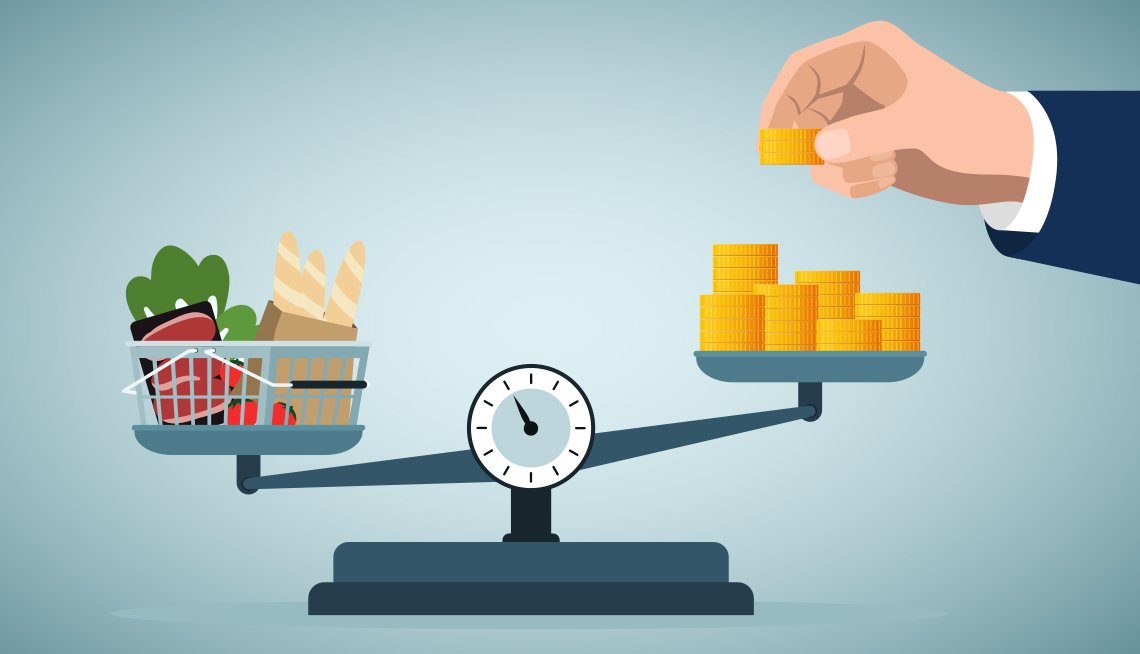
Inflation moved back above 4% in May, a fresh reminder that borrowing costs may not fall quickly for homebuyers, credit card users and other borrowers.
For Beelinger readers, the point is practical: make decisions using today’s rates, not the lower rates you hope may arrive later.
Table of Contents
What Happened
The Personal Consumption Expenditures price index rose 4.1% in May from a year earlier, while core PCE, which excludes food and energy, rose 3.4%, according to the Bureau of Economic Analysis.[1] The BEA’s PCE index page shows May’s 4.1% reading was higher than April’s 3.8% reading, according to BEA data.[2]
That matters because the Federal Reserve uses PCE as its main inflation yardstick. The Fed says 2% PCE inflation over the longer run is most consistent with its price-stability mandate, according to the Federal Reserve.[3]
Who Is Affected
The most affected readers are homebuyers, homeowners considering a refinance, people carrying credit card balances, auto-loan shoppers and savers deciding whether to lock in rates.
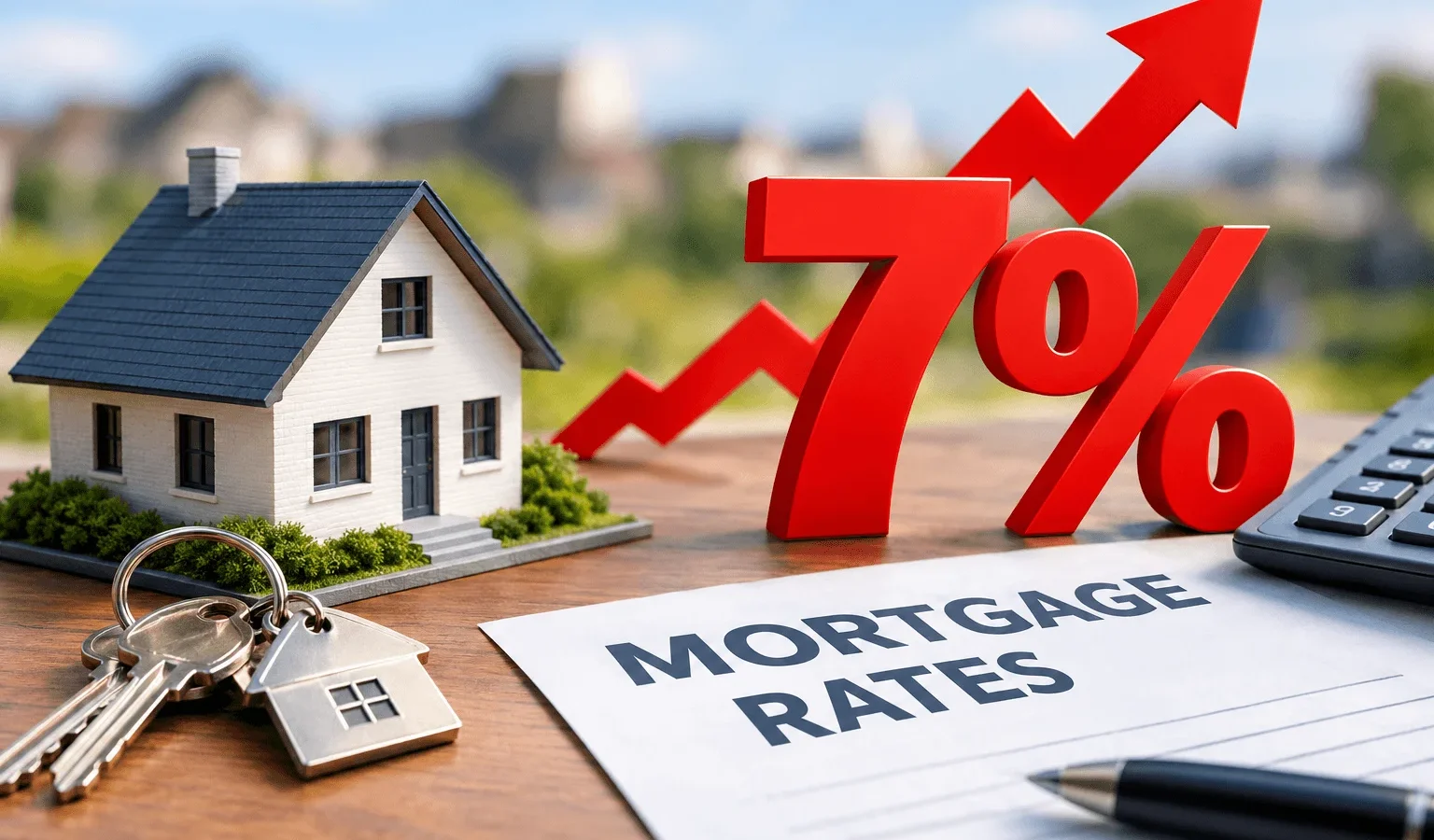
Mortgage rates have not collapsed. Freddie Mac’s weekly survey showed the average 30-year fixed mortgage rate at 6.49% as of June 25, 2026, according to Freddie Mac.[5]
Why This Matters for Your Money
Higher inflation can keep pressure on interest rates because lenders and investors want compensation for rising prices. The Fed also held its benchmark federal funds target range at 3.5% to 3.75% on June 17 and said inflation remained elevated compared with its 2% goal, according to the FOMC statement.[4]
That does not mean every loan rate moves the same day inflation data comes out. But it does mean borrowers should be careful about assuming cheaper financing is right around the corner.
Credit card users should be especially cautious. In April, revolving credit rose at a 10.4% annual rate, and credit card accounts assessed interest had an average rate above 21%, according to the Federal Reserve’s G.19 consumer credit report.[6]
What to Do Now
1. If You Are Buying a Home
Compare several lenders and ask what your payment looks like at today’s rate, not the rate you hope to see later. A slightly lower purchase price or larger down payment may do more for affordability than waiting for a perfect rate.
2. If You Have Credit Card Debt
Prioritize balance transfer to save on rates. Paying down a card charging more than 20% can be a stronger “return” than chasing a small yield difference on savings.
3. If You Have Extra Cash
Compare high-yield savings accounts and CDs, but keep emergency money liquid. A CD can make sense for money you know you will not need soon; it is riskier for rent, medical bills or a near-term home purchase.
Mistakes to Avoid
Do not stretch your mortgage budget on the assumption you can refinance soon. Refinancing has closing costs, and rates may not fall enough to make the math work.
Do not move emergency savings into a long CD just because the rate looks attractive. And do not ignore credit card debt while waiting for the Fed to cut rates.
Beelinger Takeaway
May’s inflation report is not a reason to panic. It is a reason to make decisions using today’s numbers. Borrowers should stress-test payments, cardholders should attack expensive balances and savers should lock in rates only when the money can stay put.
FAQ
Does 4.1% PCE inflation mean mortgage rates will rise immediately?
No. Mortgage rates move with many factors, including bond-market expectations. But hotter inflation can make large rate declines less likely.
Should I wait to buy a house?
Base the decision on affordability, job stability and local home prices. Waiting only for lower rates can backfire if prices or rates move against you.
Are CDs a good idea now?
They can be useful for money you will not need soon. Keep emergency savings accessible.
Make Smarter Money Moves in a High-Rate Economy
Beelinger helps readers understand how inflation, debt, savings and borrowing costs affect everyday financial decisions.
Sources
-
Bureau of Economic Analysis: Personal Income and Outlays, May 2026
-
Bureau of Economic Analysis: Personal Consumption Expenditures Price Index
-
Federal Reserve: Why does the Federal Reserve aim for inflation of 2 percent over the longer run?
-
Federal Reserve: Federal Reserve Issues FOMC Statement, June 17, 2026
-
Freddie Mac: Primary Mortgage Market Survey
-
Federal Reserve: Consumer Credit – G.19
This article is for general education only and should not be treated as financial, mortgage, legal, tax, or investment advice. Rates, inflation data, credit conditions and savings yields can change. Always verify current information before making financial decisions.
More from Beelinger
-
money-brief How Much Should You Put in Your 401(k)
How Much Should You Put in Your 401(k)? Start With the Match, Not the 15% Rule A sustainable…
-
money-brief Can You Claim Part of the $167.5M Visa and Mastercard ATM Surcharge Settlement?
Paid a Fee at a Nonbank ATM? Check Whether You Can Claim Part of the $167.5 Million Settlement…
-
money-brief Mortgage Rates Are Back Above 7%: should you delay your home purchase?
Mortgage Rates Are Back Above 7%: How Much House Can You Still Afford? The average 30-year mortgage rate…
-
budgeting 5 Ways to Make It Without a Steady Paycheck
5 Ways to Make an Irregular Income Feel More Predictable Variable income does not have to mean a…