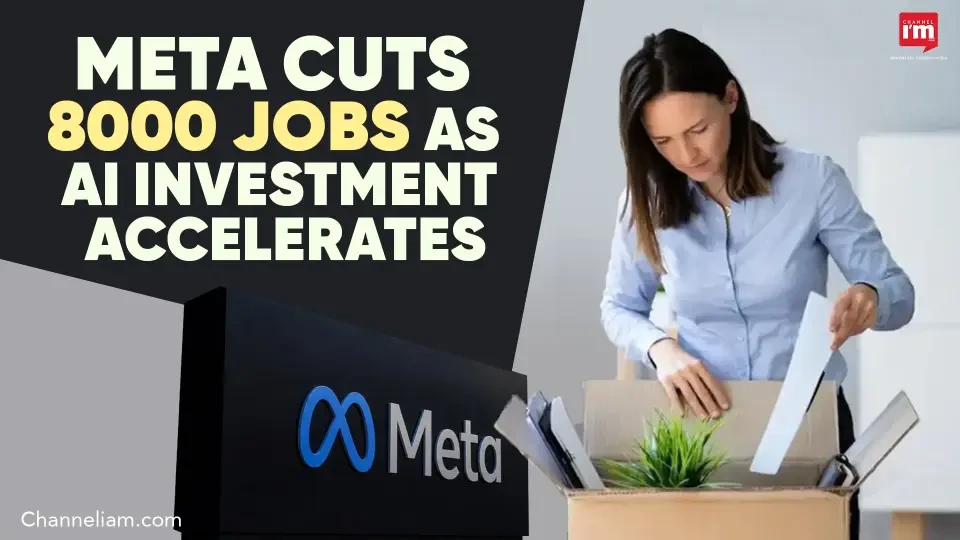
Meta Cuts 8,000 Jobs as AI Spending Rises: What Workers Can Learn
Meta’s latest layoffs show how artificial intelligence is changing company budgets, team structures, and the meaning of job security.
Quick Take
Meta has cut roughly 8,000 jobs as the company redirects more money and talent toward artificial intelligence. CEO Mark Zuckerberg told remaining employees that Meta does not expect more company-wide layoffs this year and acknowledged that the company could have communicated more clearly during the restructuring process.[1]
For Beelinger readers, the bigger lesson is clear: AI is no longer just a tech trend. It is changing how major companies spend money, organize teams, and think about job security.
Table of Contents
What Happened?
Meta began notifying employees about layoffs across multiple regions, with reports saying some Singapore-based employees received notices around 4 a.m. local time.[2]
The cuts affected about 8,000 employees globally, according to multiple reports.[3] At the same time, Meta has been increasing its investment in artificial intelligence, including raising its 2026 capital expenditure forecast to between $125 billion and $145 billion.[4]
Zuckerberg reportedly told employees that Meta does not expect additional company-wide layoffs in 2026, while also admitting that communication around the process had not been clear enough.[1]
Why Meta Is Making These Changes
Meta is competing aggressively in artificial intelligence. The company is investing heavily in data centers, computing power, AI models, and AI-powered products across Facebook, Instagram, WhatsApp, and other platforms.
This means Meta is not only cutting costs. It is also shifting resources.
That matters because it shows how large companies may handle the next stage of AI adoption: spend more on technology, reorganize teams, and reduce roles that no longer fit the new strategy.
What Beelinger Readers Should Learn
1. AI Is Becoming a Budget Priority for Big Companies
Meta is spending up to $145 billion on AI-related infrastructure while reducing headcount.[4]
That sends a clear signal: companies are willing to move money away from some labor costs and toward AI systems they believe can improve growth, speed, and efficiency.
For workers, this means AI skills are becoming more important. You do not need to become a machine learning engineer. But you should understand how AI tools affect your job, your industry, and your career path.
2. A Profitable Company Can Still Cut Jobs
One of the biggest lessons from Meta’s layoffs is that job cuts do not always mean a company is failing.
A company can be profitable, growing, and investing heavily — and still reduce jobs if leadership believes the business needs a different structure.
That is uncomfortable, but important.
Workers should not depend only on the strength of their employer for financial security. Career security now depends more on adaptable skills, a strong network, and the ability to move when needed.
3. Emergency Savings Still Matter
Layoff news from a major company like Meta is a reminder that even high-income workers are not immune to sudden job loss.
An emergency fund gives people more time and more choices when work changes unexpectedly. It can help cover rent, mortgage payments, food, insurance, and other basic costs while someone searches for the next role.
The goal is not to live in fear of layoffs. The goal is to avoid being financially trapped if one happens.
4. Investing in Skills May Be as Important as Investing Money
AI may create new jobs, remove old ones, and change many existing roles. That means workers should think about skill-building as part of their financial plan.
Useful areas may include:
- Learning AI tools used in your field
- Improving data and digital skills
- Building project management experience
- Strengthening communication and leadership skills
- Understanding how automation affects your industry
These skills can make it easier to change roles, negotiate pay, or move into more stable opportunities.
Why This Matters
Meta’s layoffs are not just a tech industry story. They are a warning about how quickly work can change when companies shift priorities.
For Beelinger readers, the lesson is practical: protect your income, keep learning, and build a financial cushion. AI may create opportunities, but it will also reward people who prepare early.
The Bottom Line
Meta’s latest layoffs show how artificial intelligence is reshaping business decisions at the highest level. The company is cutting jobs while spending billions on AI infrastructure, which reflects a broader shift in how large employers may operate in the future.
For workers, the message is simple: do not wait for your company to tell you what skills matter next. Start building them now.
For your money, the message is just as clear: emergency savings, lower debt, and steady investing can give you more control when the job market changes.
Build More Control Over Your Money
Career changes are easier to handle when your money has a plan. Beelinger helps readers think clearly about saving, investing, debt, and long-term financial resilience.
Sources
This article is for general education only and should not be treated as financial, career, legal, or investment advice.
More from Beelinger
-
money-brief How Much Should You Put in Your 401(k)
How Much Should You Put in Your 401(k)? Start With the Match, Not the 15% Rule A sustainable…
-
money-brief Can You Claim Part of the $167.5M Visa and Mastercard ATM Surcharge Settlement?
Paid a Fee at a Nonbank ATM? Check Whether You Can Claim Part of the $167.5 Million Settlement…
-
money-brief Mortgage Rates Are Back Above 7%: should you delay your home purchase?
Mortgage Rates Are Back Above 7%: How Much House Can You Still Afford? The average 30-year mortgage rate…
-
budgeting 5 Ways to Make It Without a Steady Paycheck
5 Ways to Make an Irregular Income Feel More Predictable Variable income does not have to mean a…