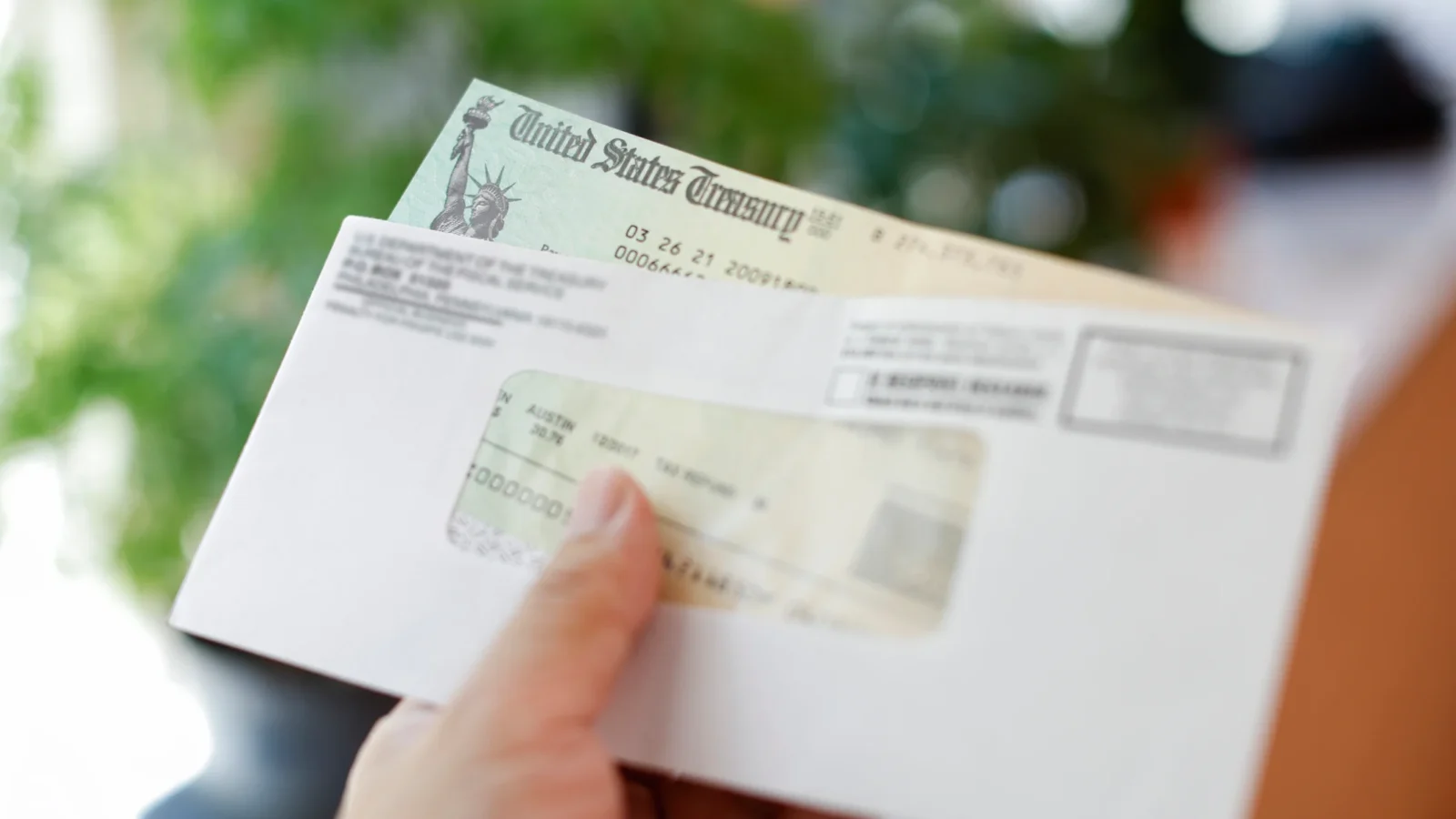
The July 10 IRS Refund Deadline Some Taxpayers Can’t Afford to Miss
Some taxpayers may need to act by July 10, 2026, to protect possible COVID-era refund claims tied to IRS penalties and interest.
Quick Take
A little-known IRS refund deadline is coming up fast, and for some taxpayers, missing it could mean losing the chance to recover money tied to COVID-era penalties and interest.
The deadline is July 10, 2026. It matters because of a court case, Kwong v. United States, involving whether certain tax filing and payment deadlines should have been treated as postponed during the COVID-19 disaster period.
If that legal reasoning ultimately holds, some taxpayers who were charged penalties or interest for returns or payments the IRS treated as late may be entitled to a refund or abatement. But there is a catch: relief is not automatic.
The Taxpayer Advocate Service says many potentially eligible taxpayers need to act on or before July 10, 2026, to preserve their rights.[1] Filing a claim does not guarantee a refund, but failing to file could permanently close the door.
Table of Contents
What Changed?
The issue comes from the COVID-19 federal disaster period, which ran from January 20, 2020, through July 10, 2023. Under the reasoning in Kwong, certain filing and payment deadlines that fell during that window may have been postponed through July 10, 2023.[2]
That matters because the IRS continued assessing penalties and interest in many situations during the pandemic years. If a taxpayer was charged for filing late, paying late, missing estimated payments, or dealing with certain other deadline-related tax issues, those charges may now be worth reviewing.
According to the Taxpayer Advocate Service, if the Kwong reasoning ultimately prevails, “tens of millions” of taxpayers may be entitled to refunds or abatements of penalties and interest.[2] The potential impact may also reach some missed refund opportunities for tax years 2019 through 2022.[1]
Money Talks News and USA TODAY also reported that the IRS recently made the process easier for some taxpayers by enabling electronic filing for certain COVID-era refund claims ahead of the deadline.
Who Should Check Their IRS Records?
Not everyone needs to file something by July 10. But you should review your records quickly if any of these situations sound familiar:
- You filed a federal tax return late during the COVID-era disaster period.
- You paid a federal tax bill late and were charged penalties or interest.
- You still owe penalties or interest tied to late filing or late payment.
- You were assessed estimated tax penalties.
- You filed late international information returns.
- You may have missed a refund, credit, withholding credit, estimated tax payment credit, Recovery Rebate Credit, or other tax benefit for tax years 2019 through 2022.
A practical first step is to review your IRS account transcript. You do not need to understand every code on the transcript. The key is to look for penalty, interest, payment, refund, or other account activity tied to the relevant years and dates.
Need help deciding your next move? Beelinger money coach can help Ask Beelinger
What Form Do You File?
For many Kwong-related penalty and interest claims, taxpayers generally use IRS Form 843, Claim for Refund and Request for Abatement.
The IRS says Form 843 is used to claim a refund or request abatement of certain taxes, interest, penalties, fees, and additions to tax.[3] The IRS also posted a July 1, 2026, update specifically addressing Form 843 filings for claims citing Kwong v. United States.[4]
There are important limits, though. Form 843 is generally for penalties and interest. If you need to change income, deductions, credits, filing status, or another item that changes your underlying tax liability, you may need to file an original or amended return instead.
That is one reason this deadline is tricky. The right move may depend on what kind of IRS charge or missed refund you are dealing with.
Need help deciding your next move? Beelinger money coach can help Ask Beelinger
What Is a Protective Claim?
A protective claim is a way to preserve your right to a refund while the law is still unsettled.
That matters here because the Kwong issue is not fully resolved. Filing a protective claim does not mean the IRS will immediately send money. It also does not mean you are guaranteed to win. It simply helps keep your claim alive in case the legal issue is ultimately decided in taxpayers’ favor.
Think of it this way: if the courts later confirm that certain penalties or interest should not have been charged, taxpayers who filed timely claims may have a path to relief. Taxpayers who missed the filing window may not.
The Taxpayer Advocate Service warns that taxpayers who miss the deadline may be ineligible for relief even if the Kwong decision is ultimately upheld.[1]
How to File Before the Deadline
The Taxpayer Advocate Service says some individual taxpayers with an IRS Online Account may be able to submit Form 843 electronically through a secure IRS application, but this option is limited to certain claims involving fully paid penalties and interest.[1]
The IRS says certain individual taxpayers filing Form 843 claims citing Kwong v. United States can file electronically, while business taxpayers and individuals who do not use electronic filing should send a completed paper Form 843 to the IRS.[4]
For paper filings, the Taxpayer Advocate Service says taxpayers should identify the claim as related to Kwong v. United States by writing “Kwong vs. United States” across the top of Form 843. It also recommends keeping copies of anything submitted and using a mailing method that provides proof of timely mailing.[1]
For many taxpayers, the safest next step is to:
- Review your IRS transcripts and notices.
- Identify any penalties, interest, late-payment charges, late-filing charges, or missed refund items tied to the COVID-era period.
- Determine whether Form 843, an amended return, an original return, an abatement request, or a protective claim is appropriate.
- File before July 10, 2026, if you may be affected.
- Consider working with a trusted tax professional if the amounts are significant or the records are confusing.
Need help deciding your next move? Beelinger money coach can help Ask Beelinger
A Simple Example
Say you filed a 2020 tax return late and paid a penalty plus interest. At the time, you may have assumed the IRS calculation was final. But if the deadline tied to that return should have been postponed under the Kwong reasoning, the penalty and interest may deserve another look.
That does not mean the IRS automatically owes you money. It means you may need to file a timely claim to preserve your chance at a refund.
Or suppose you still owe a penalty that was assessed during the COVID-era period. In that case, you may not be seeking a refund of money already paid. You may instead need to request abatement of an unpaid amount. The deadline rules can differ, but waiting is still risky.
Don’t Assume the IRS Will Handle It for You
This is the part many taxpayers may miss: the IRS is not simply sweeping through accounts and issuing automatic refunds to everyone who might qualify.
The Taxpayer Advocate Service is explicit that many taxpayers may need to file a refund claim, amended return, original return, abatement request, or protective claim to preserve their rights.[1]
That makes this deadline different from a normal tax-season reminder. It is not just about filing a form. It is about protecting a possible right before the statute of limitations shuts.
Be Careful With Refund Promises
Because this issue affects potentially large numbers of taxpayers, it may attract aggressive marketing. Be cautious of anyone promising a guaranteed refund, charging large upfront fees, or pressuring you to file a claim you do not understand.
The law remains unsettled. A legitimate claim should be based on your actual IRS records, the years involved, the penalties or interest at issue, and the legal basis for the request.
If your situation is simple, you may be able to review your transcript and file on your own. If you have multiple years, business taxes, international information returns, large penalties, or missing records, professional help may be worth considering.
The Bottom Line
The July 10, 2026, deadline is easy to miss because it does not look like a normal tax deadline. But for taxpayers who paid or still owe COVID-era penalties or interest, it could be the date that decides whether a possible refund remains available at all.
Filing a protective claim does not guarantee relief. But doing nothing may be worse if your records show penalties, interest, or missed refund opportunities tied to the pandemic years.
If you think you may be affected, review your IRS records now, confirm which filing path applies, and act before July 10.
FAQ
What is the July 10, 2026 IRS refund deadline?
It is the deadline many taxpayers may need to meet to protect potential COVID-era refund or abatement claims tied to penalties and interest affected by the Kwong v. United States issue.
Does filing a claim guarantee a refund?
No. Filing a claim does not guarantee relief. It may preserve your right to a refund or abatement while the legal issue remains unsettled.
What form is used for many Kwong-related penalty and interest claims?
Many taxpayers may use IRS Form 843, Claim for Refund and Request for Abatement, for certain penalty and interest refund or abatement claims.
Can I file Form 843 electronically?
The IRS says certain individual taxpayers filing Form 843 claims citing Kwong v. United States can file electronically. Business taxpayers and individuals who do not use electronic filing should submit a completed paper Form 843.
Should I hire a tax professional?
If the amount is large, you have multiple tax years, business taxes, international forms, unpaid penalties, or confusing IRS records, professional help may be worth considering.
Need Help Understanding What Your IRS Records Mean?
For a clearer read on what your IRS transcript shows and what your next step may be, Beelinger can help you turn confusing tax records into a practical action plan.
Sources
-
Taxpayer Advocate Service: Act on or Before July 10, 2026, to Protect Potential COVID-19 Disaster Relief Refund Claims
-
Taxpayer Advocate Service: Tens of Millions of Taxpayers May Be Eligible for Significant Tax Refunds
-
IRS: About Form 843, Claim for Refund and Request for Abatement
-
IRS: Filing Form 843 for Claims Citing Kwong v. United States
-
Taxpayer Advocate Service: Protective Claims for COVID-19 Disaster Relief Refunds
-
Forbes: IRS Opens Online Portal for Kwong Refund Claims Ahead of Deadline
This article is for general education only and should not be treated as tax, legal, accounting, or financial advice. The Kwong issue is legally unsettled, deadlines can vary by taxpayer and claim type, and filing a claim does not guarantee relief. Verify your situation with IRS guidance, your tax records, and a qualified professional when needed.
More from Beelinger
-
budgeting Can You Get Your Money Back If an AI Agent Makes a Financial Mistake?
AI Can Spend for You. Here’s How to Stay in Control of Your Money AI agents can compare…
-
money-brief How Much Should You Put in Your 401(k)
How Much Should You Put in Your 401(k)? Start With the Match, Not the 15% Rule A sustainable…
-
money-brief Can You Claim Part of the $167.5M Visa and Mastercard ATM Surcharge Settlement?
Paid a Fee at a Nonbank ATM? Check Whether You Can Claim Part of the $167.5 Million Settlement…
-
money-brief Mortgage Rates Are Back Above 7%: should you delay your home purchase?
Mortgage Rates Are Back Above 7%: How Much House Can You Still Afford? The average 30-year mortgage rate…